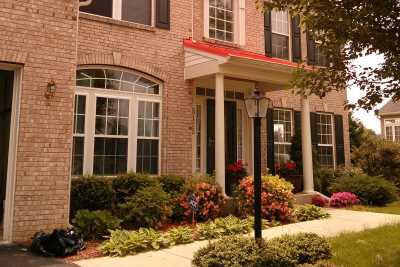
Assisted living communities in Maryland are designed to promote independence, dignity, and healthy aging. They provide supervision, supportive services, and assistance with activities of daily living in the state known for steamed crabs, Old Bay™ seasoning, and “The Star Spangled Banner.” The average monthly cost of assisted living in Maryland is $5,386, about $1,000 higher than the national average, according to A Place for Mom’s proprietary data.

There are really no structured activities and residents are put to bed very early. My husband has been there 4 months. I plan to speak with the manager about this one issue this week. They have been...
What we like the most about the community is that it is pleasant, very capable, easy to get to, good staff and good food for the residents. Yes, we would recommend The Magnolia House Assisted Living...
The staff is friendly and forthcoming. The nurse practitioner is excellent. I think Arden Courts is typical of advanced care facilities in that you have to visit often to be sure your loved one is adequately...
Tribute at Melford is now managed by Atlas Senior Living. The care is exceptional. The workers really care about my Mom. I would highly recommend Tribute to others.
My father really likes the food and I no longer have to worry whether or not he is eating adequately. It is very clean and smells good. They are short staffed and it takes a long time for my father to get...
They have very attentive staff. It is well organized. It is a clean facility and they are friendly. I would recommend them to others who are searching for a place for their loved one.
Sunrise of Chevy Chase has met my mom's growing needs. The staff is very kind and attentive. The administration is also very accessible and flexible to meet the needs of their clients.
What we like the most about the community is that it is pleasant, very capable, easy to get to, good staff and good food for the residents. Yes, we would recommend The Magnolia House Assisted Living...
There are really no structured activities and residents are put to bed very early. My husband has been there 4 months. I plan to speak with the manager about this one issue this week. They have been...
I would give them 5 stars because the people there are very caring and they communicate regularly with me and my siblings. The place is always beautifully kept and they have a variety of activities going all...
We love it. This is the 4th place my Mom has been to and it's the best!! The facility is clean and doesn't smell of urine, etc. The staff is warm, friendly, readily available and responsive. The activities...
Sunny rooms kept tidy, loving and kind staff,[name removed] and [name removed] are beautiful people. Mom is always cleaned up and groomed. Overall a positive experience- just wish there was an easy way to...
My husband was diagnosed with dementia in 2022, and moved to the Maples in [date removed]. It was a hard decision but it turned out to be the right one. He had a comfortable room and bath, and was able to...
The facility has many amenities including a restaurant with meals included in the price for some apartments. They also have a movie room, library, and place to get a haircut on site. The other residents are...
Symphony Manor has been a great place for my dad. They address his needs both physically and cognitively. It is clean in both his private room and the main area. He loves the food and the activities. The...
The average monthly cost of assisted living in Maryland is $5,386, or $70,032 per year, according to A Place for Mom’s proprietary data.[01] This is about $1,000 higher than the national average cost, and reflects base room and board costs at our partner assisted living communities. Location, room size, and certain amenities affect the total cost.
Pricewise, assisted living in Maryland compares favorably with neighboring states. Delaware, Virginia, and Washington, D.C. cost more on average. In nearby Pennsylvania, the average monthly cost for assisted living is about $1,350 lower. Generally, assisted living costs more in larger cities, but this isn’t the case in Maryland. In the Baltimore area, the cost of assisted living is about $850 lower per month than the state average. Communities in Silver Spring, a suburb of Washington, D.C., have some of the highest rates in the state.
For seniors who can live independently and want to downsize, independent living costs a little under $4,000 per month, on average.
Read more:Assisted Living vs. Independent Living: What’s the Difference?
Average monthly costs
Maryland
US National average
Average monthly costs
Maryland
District of Columbia
Delaware
Pennsylvania
Virginia
Average monthly costs
| Community type | Maryland | U.S. | Cost difference |
|---|---|---|---|
| Assisted Living | $5,440/mo | $4,783/mo | 13.7% above national median |
| Memory Care | $6,394/mo | $5,056/mo | 26.5% above national median |
| Independent Living | $4,033/mo | $4,247/mo | 5.0% below national median |
Families generally use a combination of personal funds and public assistance programs to cover the costs of assisted living. Because costs and eligibility can vary widely, it’s best to plan early to understand which payment options apply to your loved one’s situation. We’ll explore some of these options below. For a high-level overview of payment options, read the complete guide to paying for long-term care.
Personal funds, or private pay methods, are the most common source of payment for assisted living. These include retirement accounts, pensions, personal savings, assets, and funds contributed by family members. Social Security benefits are another source, as are health savings accounts (HSAs), and some life insurance policies.
Read more: Does Long-Term Care Insurance Cover Assisted Living?
The U.S. Department of Veterans Affairs (VA) makes several benefit programs available to eligible veterans and their surviving spouses. Navigating the benefit application process can be complicated, so consider working with an accredited VA benefits counselor. The Maryland Department of Veterans and Military Families maintains offices around the state to assist with benefits applications. Find your local office to make an appointment for assistance or call the main office in Annapolis at 410-260-3838.
Medicaid is a jointly funded program of federal and state governments. It’s designed to help people who have low incomes or who are living with disabilities. In Maryland, the Medicaid program is known as Medical Assistance (MA), and while it doesn’t cover room and board in assisted living, it can cover some health and personal care expenses.
In addition to the state’s regular Medicaid plan for aged, blind, and disabled residents, Maryland’s MA program offers the following home- and community-based services programs:
Maryland’s regular Medicaid plan is an entitlement program, meaning that all eligible residents will receive services. Waiver programs aren’t entitlements, so enrollment is limited and waitlists may apply.
If you or your loved one has questions about Maryland’s long term care programs, contact a local Department of Human Services office.
Maryland offers a unique Senior Assisted Living Subsidy Program for older adults who have low or moderate incomes. The program doesn’t require recipients to qualify for Medicaid, but it does have income and asset limits. The program uses state funds to subsidize recipients care needs in assisted living facilities that are licensed by the Maryland Department of Health. The subsidy covers the difference between monthly income and senior living costs, up to $1,056 per month.
Medicare is a federally funded health insurance program available to all people 65 and older and to younger people who have certain conditions. While Medicare doesn’t cover room and board in assisted living communities, it can help with medically necessary services and products that seniors in assisted living may need, such as medication management, wound care, physical or occupational therapy, medical supplies, doctor’s visits, and durable medical equipment.[07]
The State Health Insurance Program (SHIP) in Maryland offers free, personalized, and unbiased insurance counseling for seniors. For help in choosing and applying for the right Medicare plan, call 410-767-1100 to speak with a local representative.

The Maryland Office of Health Care Quality within the Department of Health is responsible for regulating and licensing assisted living communities. The state doesn’t set a minimum number of residents for licensure, so any facility with two or more unrelated residents can be licensed as an assisted living community.
There are three types of assisted living licenses in Maryland, and they’re classified according to the level of care they provide. Level 1 provides the lowest level of care; level 2 communities provide moderate care, and level 3 communities provide the highest level of care. Most assisted living communities in Maryland are licensed at level 3, meaning they can also admit people who need level 1 or level 2 care.[08]
Regulations that set minimum standards for resident care, facilities operations, and staff training for Maryland’s assisted living communities are designed to ensure that residents receive safe, high-quality care.
Use the Maryland Quality Reporting website to find information about assisted living communities, including costs, ownership type, and services offered, as well as inspection and complaint reports.
State regulations — and a community’s track record with inspections and licensing — offer important insights into safety and quality of care in senior living communities.
Download the Guide to Senior Living Licensure and Inspection Reports to learn what to look for in inspection reports and what questions to ask when touring communities. This resource explains how to use state licensure and inspection information to evaluate a community’s compliance, care standards, and responsiveness to issues.
A Place for Mom. (2026). A Place for Mom proprietary data.
Maryland Department of Health. Community Options Waiver.
Maryland Department of Health. Medical Day Care Services Waiver.
Maryland Department of Health. Increased Community Services Program.
Maryland Department of Health. Medicaid Long Term Services and Supports (LTSS).
Maryland Department of Aging. Senior Assisted Living Subsidy Program.
U.S. Centers for Medicare and Medicaid Services. Get started with Medicare. Medicare.gov.
Library of Maryland Regulations. Code of Maryland Regulations: 10.07.14.02B(5)(a).
Overview of assisted living in MD
The information contained on this page is for informational purposes only and is not intended to constitute medical, legal or financial advice or create a professional relationship between A Place for Mom and the reader. Always seek the advice of your health care provider, attorney or financial advisor with respect to any particular matter, and do not act or refrain from acting on the basis of anything you have read on this site. Links to third-party websites are only for the convenience of the reader; A Place for Mom does not endorse the contents of the third-party sites.
Please enter a valid email address.